Phone Number: 1-800-657-2445
Outage Hotline: 1-800-970-4232

At HCEC, member safety is important to us. Below are some links to important safety information to help keep you and your family safe,
Power Line Safety
Accidentally contacting a power line can be dangerous and in some cases, even deadly. Your Touchstone Energy cooperative wants to help our members stay safe around power lines.
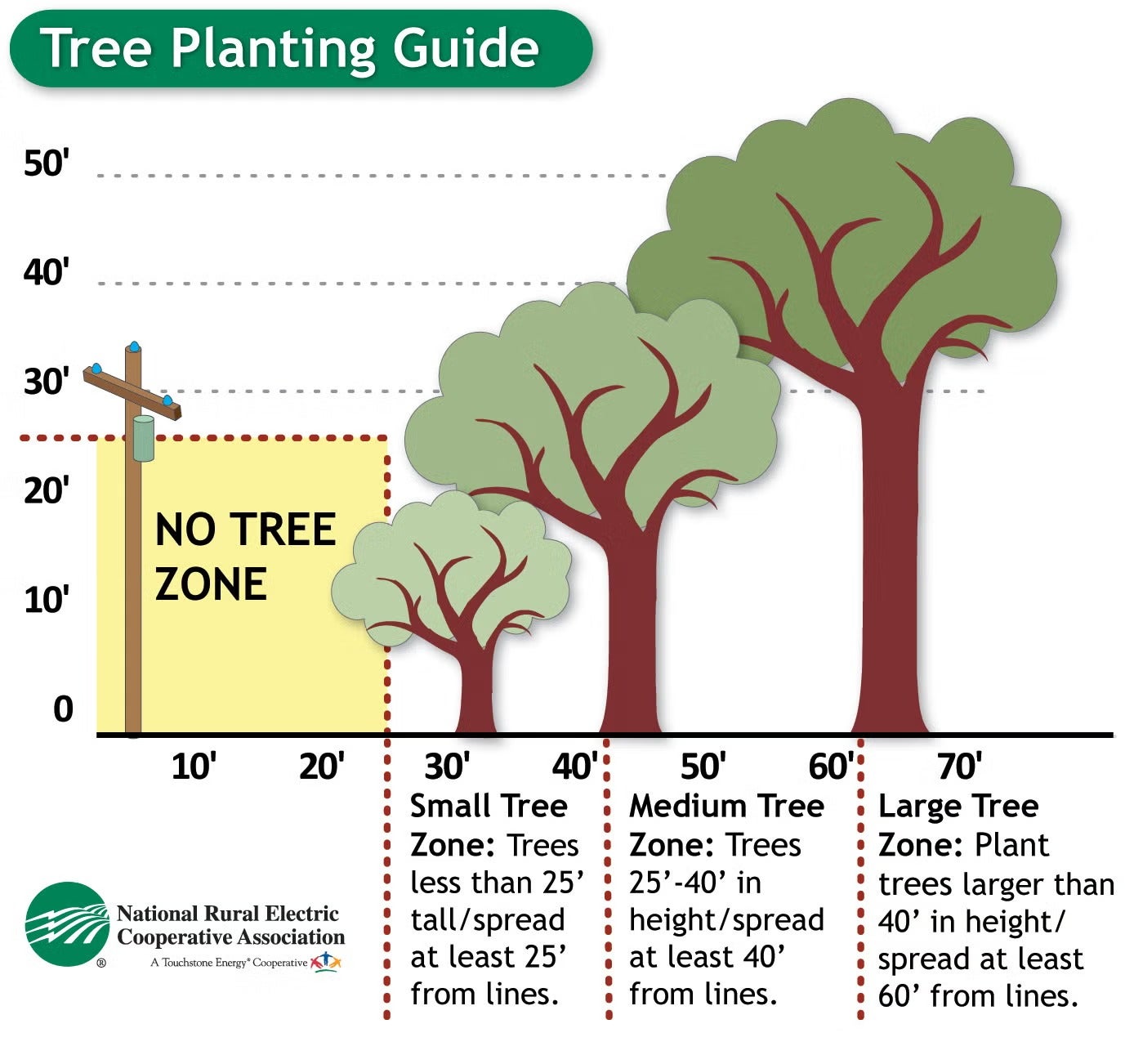
Check out our tree planting guide to ensure that you're making the proper decision when planting those beautiful trees!
Keep a safe distance
Whether you are playing outdoors with your children or working on landscaping projects, keep a safe distance from power lines and other equipment your co-op uses to get electricity to your home.
Always remember to:
- Stay away from power lines, meters, transformers and electrical boxes.
- Don’t climb trees near power lines.
- Never fly kits, remote control airplanes or balloons near power lines.
- If you get something stuck in a power line, call your Touchstone Energy co-op to get it.
- Keep a safe distance from overhead power lines when working with ladders or installing objects such as antennas.
- Never touch or go near a downed power line.
- Don’t touch anything that may be touching a downed wire, such as a car.
- Keep children and pets away.
Image
Power Line Hazards and Cars
If a power line falls on a car, you should stay inside the vehicle. This is the safest place to stay. Warn people not to touch the car or the line. Call or ask someone to call the local cooperative and emergency services.
The only circumstance in which you should consider leaving a car that is in contact with a downed power line is if the vehicle catches on fire. Open the door. Do not step out of the car. You may receive a shock. Instead, jump free of the car so that your body clears the vehicle before touching the ground. Once you clear the car, shuffle at least 50 feet away, with both feet on the ground.
As in all power line related emergencies, call for help immediately by dialing 911 or call your electric utility company's Service Center/Dispatch Office.
Do not try to help someone else from the car while you are standing on the ground.
Electrical Safety and Generators
Preventing Electrocutions Associated with Portable Generators Plugged Into Household Circuits
When power lines are down, residents can restore energy to their homes or other structures by using another power source such as a portable generator. If water has been present anywhere near electrical circuits and electrical equipment, turn off the power at the main breaker or fuse on the service panel. Do not turn the power back on until electrical equipment has been inspected by a qualified electrician.
If it is necessary to use a portable generator, manufacturer recommendations and specifications must be strictly followed. If there are any questions regarding the operation or installation of the portable generator, a qualified electrician should be immediately contacted to assist in installation and start-up activities. The generator should always be positioned outside the structure.
When using gasoline- and diesel-powered portable generators to supply power to a building, switch the main breaker or fuse on the service panel to the "off" position prior to starting the generator. This will prevent power lines from being inadvertently energized by backfeed electrical energy from the generators, and help protect utility line workers or other repair workers or people in neighboring buildings from possible electrocution. If the generator is plugged into a household circuit without turning the main breaker to the “off” position or removing the main fuse, the electrical current could reverse, go back through the circuit to the outside power grid, and energize power lines or electrical systems in other buildings to at or near their original voltage without the knowledge of utility or other workers.
Effects of Backfeed
The problem of backfeed in electrical energy is a potential risk for electrical energy workers. Electrocutions are the fifth leading cause of all reported occupational deaths. Following the safety guidelines below can reduce this risk.
Other Generator Hazards
Generator use is also a major cause of carbon monoxide (CO) poisoning. Generators should only be used in well ventilated areas.
Wildfire Safety & Mitigation
Houston County Electric Cooperative is committed to keeping our members, employees, and communities safe—especially during the hot, dry, and windy fire seasons.
We take proactive steps to reduce wildfire risk from electrical equipment and keep your service reliable.We build and maintain power lines and equipment
What we are doing:
- Maintaining a safer system: Power lines and equipment are built and maintained to national safety standards, with regular inspections and upgrades.
- Managing trees and vegetation: We patrol our lines, remove dangerous trees, and keep substations clear of weeds and debris.
- Monitoring weather conditions: We track fire danger ratings, drought, wind, and heat to guide safe operations.
- Training our crews: Employees are trained to recognize fire risks, follow fire‑safe work practices, and respond quickly.
- Using prevention tools: During extreme conditions, we may adjust equipment settings—or in rare cases, temporarily shut off power—to help prevent fires.
If a wildfire occurs:
We work closely with emergency responders, inspect equipment for damage, and restore power safely—starting with critical services.
How you can help:
- Report trees or hazards near power lines
- Follow local burn bans and fire restrictions
- Stay informed during high fire danger periods
Together, we can help reduce wildfire risk and protect our communities.
For more information on how to stay safe, visit ready.gov
Winter Weather Safety
A Little Preparation Goes a Long Way This Winter
Winter weather in East Texas can bring more than freezing temperatures. Icy roads, disrupted services and power outages can make everyday necessities harder to access. HCEC encourages members to prepare early so their families, homes and animals are ready when temperatures drop.
Gather What Your Family Needs
Before a storm is in the forecast, check your supply of nonperishable food, drinking water, prescription medications and other essentials. Choose foods that require little or no cooking, and remember supplies for babies, pets and anyone with special dietary needs.
Keep flashlights, extra batteries, charged power banks and a battery-powered weather radio within reach. Even if your electricity stays on, dangerous road conditions could keep you home for several days.
Make a Plan for Medical Needs
If someone in your household depends on electrically powered medical equipment, talk with their health care provider and equipment supplier about preparing for an outage. Arrange appropriate backup batteries, oxygen or other necessary supplies, and know how long those resources will last.
Keep HCEC informed of medical needs associated with your account, but remember that this does not guarantee uninterrupted service or immediate restoration during an outage. Having a backup plan is essential.
Identify a safe location with reliable power and arrange transportation before severe weather arrives. Share the plan with family members or caregivers so everyone knows when and how to act.
Prepare to Stay Warm Safely
Have warm clothing, blankets and sleeping bags available, and close off unused rooms to help conserve heat.
If you plan to use a fireplace or wood stove, have the chimney inspected and cleaned before winter and keep seasoned firewood in a dry location. Follow all operating and ventilation instructions for heating equipment, and keep flammable materials away.
Never heat your home with an oven, grill or outdoor heater. Operate portable generators outdoors, well away from doors, windows and vents. Check smoke alarms and battery-powered carbon monoxide detectors before a storm.
Plan for Water—and Your Animals
Store drinking water in clean, food-safe containers before freezing weather arrives. Set aside additional water for pets and livestock, especially if your well depends on electricity.
Water stored in bathtubs or other large containers can be useful for flushing toilets, but should be kept separate from drinking supplies. Keep children away from filled tubs and open containers.
Check livestock water sources frequently during freezing conditions. Have a dependable way to remove ice and provide fresh water, along with adequate feed and shelter.
Give Your Home and Vehicles a Winter Checkup
Protect exposed plumbing, disconnect garden hoses and winterize outdoor faucets and irrigation systems according to their instructions. Know where your main water shutoff is located in case a pipe breaks.
Seal drafts around windows and doors, replace worn weatherstripping and have your heating system serviced as needed.
Check vehicle batteries, tires, antifreeze and windshield washer fluid before cold weather arrives. Keep your fuel tank near full and carry blankets, water, snacks and a phone charger in case travel is delayed.
Preparing now can make winter weather easier to manage. Take time to review your household’s needs, check on neighbors and make a plan before the next freeze.
Extreme Heat Safety
Stay Safe in the East Texas Heat
Hot temperatures and high humidity are a familiar combination in East Texas. Together, they can make it harder for your body to cool itself—even when you’re used to spending time outdoors. HCEC encourages members to plan ahead, recognize signs of overheating and take extra care of family members, neighbors and pets.
Understand Heat Alerts
The heat index describes how hot it feels when humidity is combined with air temperature. The National Weather Service considers local conditions when issuing alerts, so follow the guidance provided for your county.
Heat Advisory: Dangerous heat is expected. Limit strenuous outdoor activities, take frequent breaks and spend time in air conditioning.
Extreme Heat Watch: Conditions could develop into an especially dangerous heat event. Review your plans and identify a cool place to go if needed.
Extreme Heat Warning: Extremely dangerous heat is expected or already occurring. Reschedule outdoor activities whenever possible and take immediate steps to stay cool.
Heat can affect your health even when no alert is in effect.
Make Staying Cool a Daily Habit
Drink water regularly rather than waiting until you feel thirsty. Schedule outdoor chores for cooler hours, wear lightweight clothing and take frequent breaks in shade or air conditioning.
Check on older adults, people with chronic health conditions and anyone without reliable air conditioning. When working outdoors, use a buddy system so someone can recognize symptoms you may overlook.
Never leave a child, another person or a pet in a parked vehicle.
Recognize Heat-Related Illness
Dehydration
Your body loses water through sweating, and those fluids need to be replaced.
Watch for:
- Thirst or a dry mouth
- Dark yellow urine or urinating less often
- Headache, dizziness or unusual tiredness
What to do: Stop your activity, move somewhere cool and sip water. Seek medical care if symptoms are severe, you cannot keep fluids down or you are not improving. If your doctor limits your fluid intake, ask how to stay hydrated safely during hot weather.
Heat Cramps
Heavy sweating can lead to painful muscle cramps during or after physical activity.
Watch for:
- Muscle pain or spasms, often in the legs, arms or abdomen
- Heavy sweating during strenuous activity
What to do: Stop working or exercising and rest in a cool place. Sip water or an electrolyte drink and gently stretch the affected muscles. Get medical help if cramps last longer than an hour, or if you have heart problems or follow a low-sodium diet.
Heat Exhaustion
Heat exhaustion can develop when your body loses too much water and salt.
Watch for:
- Heavy sweating
- Cool, pale or clammy skin
- Headache or dizziness
- Weakness or unusual fatigue
- Nausea or vomiting
- Muscle cramps or feeling faint
What to do: Move to an air-conditioned space, loosen unnecessary clothing and cool the skin with wet cloths. Have someone stay with the person. Offer small sips of cool water only if they are fully alert and able to swallow.
Get medical help immediately if the person vomits, symptoms worsen or symptoms last longer than an hour. Confusion, seizures or loss of consciousness may indicate heat stroke—call 911 immediately.
Heat Stroke
Heat stroke is a life-threatening emergency. Do not wait for every symptom to appear before getting help.
Watch for:
- Confusion, unusual behavior or slurred speech
- Seizures
- Collapse or loss of consciousness
- Very high body temperature
- Hot skin, with or without sweating
What to do: Call 911 immediately and begin cooling the person while help is on the way. Move them to a cooler location, remove excess clothing and wet their skin or clothing with cool water. Apply cold, wet cloths and circulate air around them to help speed cooling. Stay with the person and follow the dispatcher’s instructions.
Do not give anything to drink.
Protect Pets from the Heat
Pets need protection from hot, humid weather, too. Keep fresh water available, provide shade and bring them into an air-conditioned space during extreme heat whenever possible.
Walk dogs during cooler hours and avoid hot pavement that can burn their paws. Limit strenuous activity, especially for older pets, overweight animals and short-nosed breeds.
Signs of overheating include:
- Excessive panting or drooling
- Difficulty breathing
- Weakness, stumbling or confusion
- Unusual gum or tongue color
- Vomiting or diarrhea
- Collapse
If you suspect overheating, move your pet to a cool area and contact a veterinarian immediately. Begin cooling with water and airflow while arranging care. Do not wait to see whether symptoms go away.
Follow Local Weather Updates
Check the forecast and heat alerts for your county at weather.gov, and enable emergency alerts on your phone.
Contact your city or county emergency management office to learn about local notification services and cooling centers. If your home loses air conditioning during extreme heat, arrange to stay somewhere cool rather than waiting for indoor temperatures to become unsafe.
A quick check on a neighbor or family member can make a difference during an East Texas summer.